Mullein: The Overlooked Plant With a Long History of Traditional Use
Mullein: The Overlooked Plant With a Long History of Traditional Use
Stumble upon a tall, fuzzy-leaved mullein plant growing along a roadside, field, or sunny patch of ground, and you might walk right past it without realizing that this humble plant has a long history in traditional herbal practices.
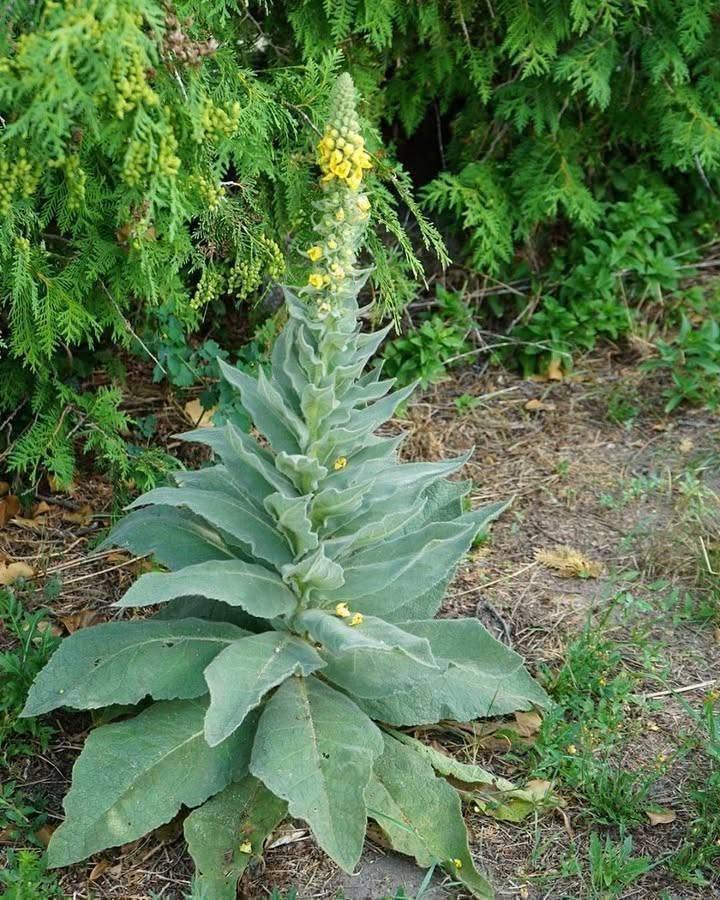
Known botanically as Verbascum thapsus, common mullein is easily recognized by its large, soft leaves and tall flower stalk that can rise several feet above the ground.
For generations, people have used different parts of mullein in traditional preparations, particularly herbal teas. It has become especially popular among people interested in traditional approaches to supporting respiratory wellness.
However, it is important to distinguish historical use from proven medical treatment: scientific evidence for mullein’s ability to treat lung diseases or other medical conditions remains limited.
What Is Mullein?
Mullein is a biennial plant belonging to the figwort family. During its first year, it typically forms a low-growing rosette of large, velvety leaves. During its second year, it produces a tall flowering stalk covered with small yellow flowers.
The soft, fuzzy leaves are one of its most recognizable characteristics. Mullein is found in many regions and can grow in disturbed soils, fields, roadsides, and other sunny locations.
Because it can grow abundantly without much attention, it is sometimes considered a weed. For herbal enthusiasts, however, its availability and traditional reputation make it an intriguing plant.
Mullein and Traditional Respiratory Use
