Mullein: The Overlooked Plant With a Long History of Traditional Use
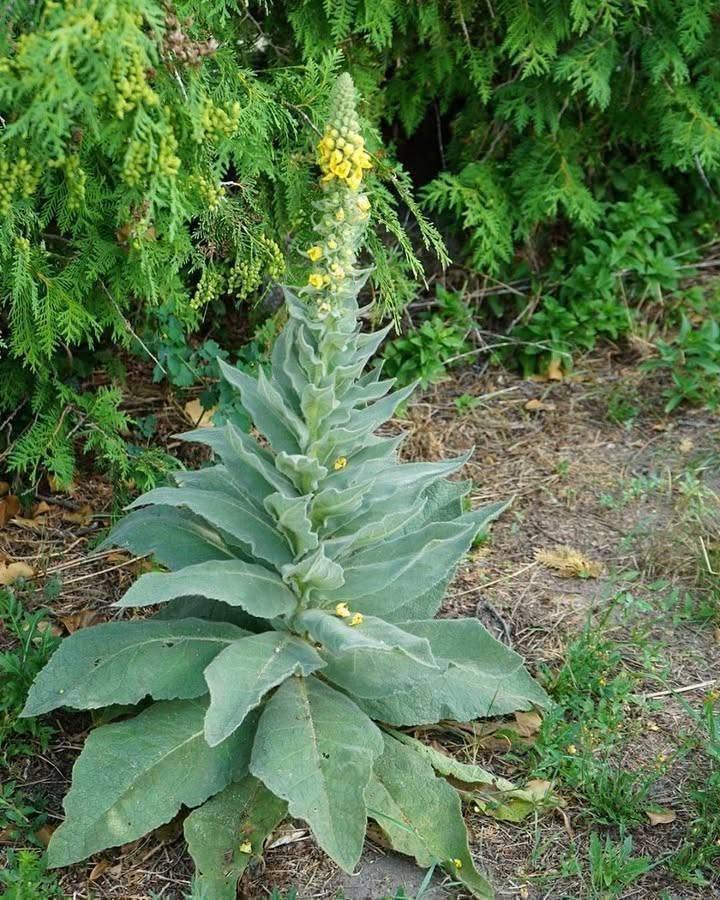
Mullein has traditionally been associated with respiratory health. Herbal preparations made from its leaves or flowers have historically been used for coughs, throat irritation, and other respiratory complaints.
One reason mullein tea remains popular is its gentle, soothing character. The leaves contain mucilage, a substance that can form a soothing coating when mixed with water. This has contributed to traditional use of mullein preparations for irritated tissues.
However, there is an important distinction: mullein tea should not be considered a proven treatment for asthma, pneumonia, bronchitis, COPD, or other serious lung conditions. Research on mullein’s effectiveness in humans is limited, and more high-quality studies are needed.
If someone has persistent coughing, difficulty breathing, chest pain, coughing up blood, or other concerning respiratory symptoms, an herbal tea should not replace professional medical evaluation.
How Mullein Tea Is Traditionally Prepared
People interested in traditional herbal preparations sometimes dry mullein leaves and use them to make tea.
A simple approach is to use properly identified, clean, dried mullein leaves and steep them in hot water. Because the tiny hairs on the leaves can be irritating to the throat, an important traditional practice is to strain the finished tea very carefully through a fine filter or several layers of clean material before drinking it.
This removes much of the plant material and fine hairs.
If you are harvesting mullein yourself, correct identification is essential. Avoid plants growing beside busy roads, areas treated with pesticides or herbicides, or locations where contamination from animals or other pollutants is possible.
Drying Mullein Leaves
If you want to preserve mullein for traditional tea, harvest only plants that you can confidently identify and that are growing in a clean environment.
Choose healthy leaves and remove dirt or damaged portions. They should be dried thoroughly in a clean, well-ventilated area away from excessive moisture. Once completely dry, store them in an airtight container away from sunlight and humidity.
Proper drying and storage are important because damp plant material can develop mold.
What Makes Mullein Interesting?
Mullein contains various naturally occurring plant compounds, including flavonoids, saponins, and mucilage. Researchers have investigated several components of the plant for antioxidant, antimicrobial, and other biological activities.
Much of this research, however, has been conducted in laboratory or preliminary settings. Interesting laboratory findings don’t necessarily mean that drinking mullein tea will produce the same effects in humans.
That is why it is best to view mullein as a traditional herbal plant rather than a miracle cure.
A Few Important Precautions
Natural herbs deserve the same thoughtful approach as any other substance used for wellness. People can react differently to plants, and herbal products can vary considerably in strength and quality.
Pregnant or breastfeeding individuals, children, and people taking medications should consult an appropriate healthcare professional before using concentrated herbal preparations. Anyone with an existing respiratory condition should also follow their established medical treatment rather than replacing it with mullein.
Most importantly, never consume an unidentified wild plant simply because it resembles mullein. Correct identification is critical when harvesting plants from nature.
Final Thoughts
Mullein may look like an ordinary roadside weed, but its distinctive appearance and long history of traditional herbal use have made it an interesting plant for generations.
Its soft leaves, tall flower stalk, and traditional association with respiratory comfort have earned it a special place in herbal traditions.
While claims that mullein can “clean the lungs” or cure respiratory disease go beyond what current evidence supports, a properly prepared mullein tea can be appreciated as a traditional herbal beverage.
Sometimes the plants people overlook are the ones with the most fascinating histories. Mullein is a perfect example—a familiar wild plant that invites us to learn more about traditional herbal knowledge while remembering that traditional use and scientifically proven medicine are not always the same thing.
