The Almost Forgotten Fruit That Is Low in Calories and Rich in Fiber and Vitamins
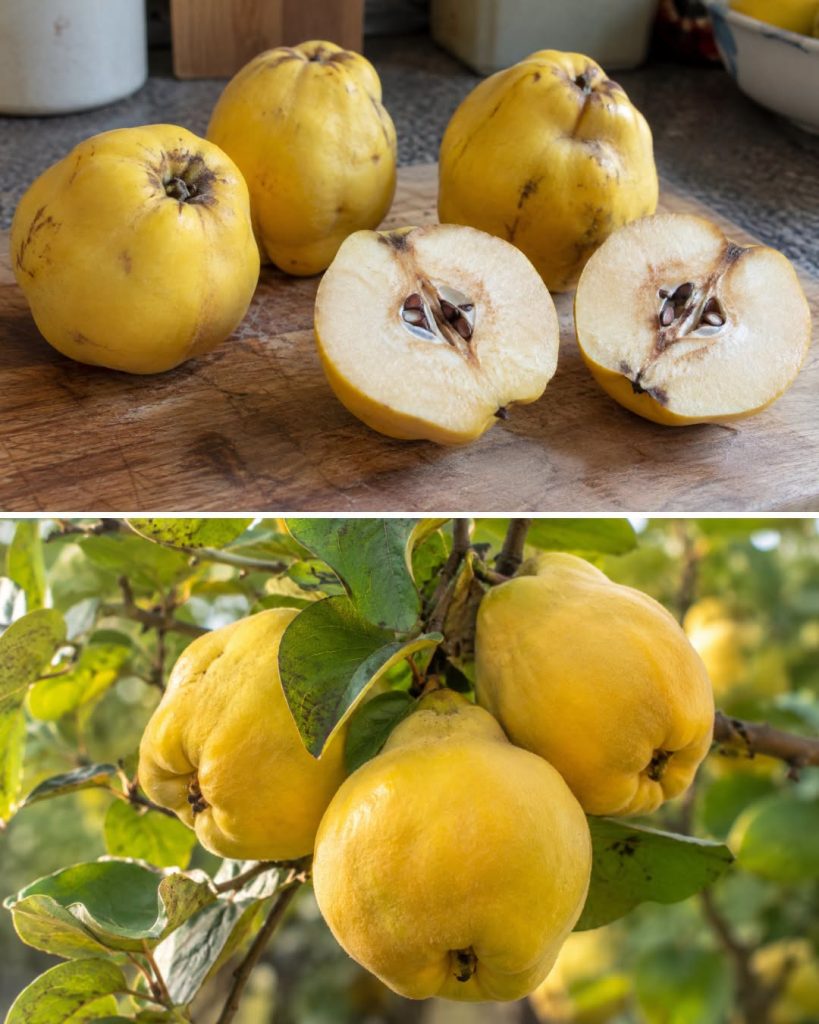
How to Eat Quince
One of the most appealing things about quince is its versatility. Although it is usually cooked before eating, there are many different ways to prepare and enjoy it.
1. Quince Jelly
Quince jelly is perhaps one of the best-known traditional preparations.
The fruit can be cooked until tender and then strained to obtain its fragrant juice. The juice is then cooked with sugar until it reaches a thick, jelly-like consistency.
Quince naturally contains a significant amount of pectin, which helps the mixture set and gives quince jelly its characteristic texture.
2. Baked or Cooked Quince
Cooking is one of the most common ways to enjoy quince.
You can bake it in the oven, simmer it gently, or cook it with spices and other ingredients. As it cooks, the firm flesh becomes tender and develops a naturally sweet, aromatic flavor.
Quince can be particularly delicious when paired with ingredients such as cinnamon, honey, citrus, or warming spices.
3. Jams and Preserves
Quince is also excellent for making homemade jams, preserves, and jellies.
Its natural pectin content helps these preparations thicken, making quince a popular ingredient in traditional preserves.
The finished product can be enjoyed on toast, alongside cheese, or incorporated into desserts.
4. Dried Quince
Quince can also be dried to create a concentrated, flavorful snack.
Dried fruit is convenient and easy to store, although it contains more concentrated natural sugars and calories by weight than fresh fruit. For this reason, moderate portions are generally appropriate.
5. Fruit Salads
Cooked or properly prepared quince can be incorporated into fruit-based dishes to add a distinctive sweet-and-tart flavor.
Its aromatic character can provide an interesting contrast to sweeter fruits such as apples, pears, grapes, or oranges.
6. Infusions and Herbal Drinks
Quince leaves and other parts of the plant have traditionally been used in some cultures to prepare infusions.
However, not every part of the quince plant should automatically be considered suitable for consumption, and traditional uses should not be confused with proven medical benefits. For a simple fruit-based drink, cooked quince or quince-infused water can provide a pleasant alternative.
7. Pairing With Meat and Cheese
Quince has a natural affinity for savory foods and is often paired with meat and cheese.
Quince sauces, preserves, and quince paste can provide a sweet and slightly tart contrast to rich cheeses and savory dishes. This combination is especially popular in various traditional European and Mediterranean cuisines.
A Traditional Fruit Worth Rediscovering
Quince may not receive as much attention as apples, pears, or other familiar fruits, but it has a lot to offer.
Its distinctive fragrance, firm texture, and transformation during cooking make it a unique ingredient in both sweet and savory recipes. It also provides dietary fiber, vitamin C, minerals, and naturally occurring plant compounds.
Whether you use it to make homemade jelly, bake it with spices, prepare a preserve, or pair it with cheese, quince offers plenty of opportunities to bring an old-fashioned ingredient back into the kitchen.
So, the next time you spot a few golden quinces at the market, consider giving this often-overlooked fruit a try. You may discover why generations of cooks valued it so highly—and find a new favorite ingredient for your own kitchen.
