The Almost Forgotten Fruit That Is Low in Calories and Rich in Fiber and Vitamins
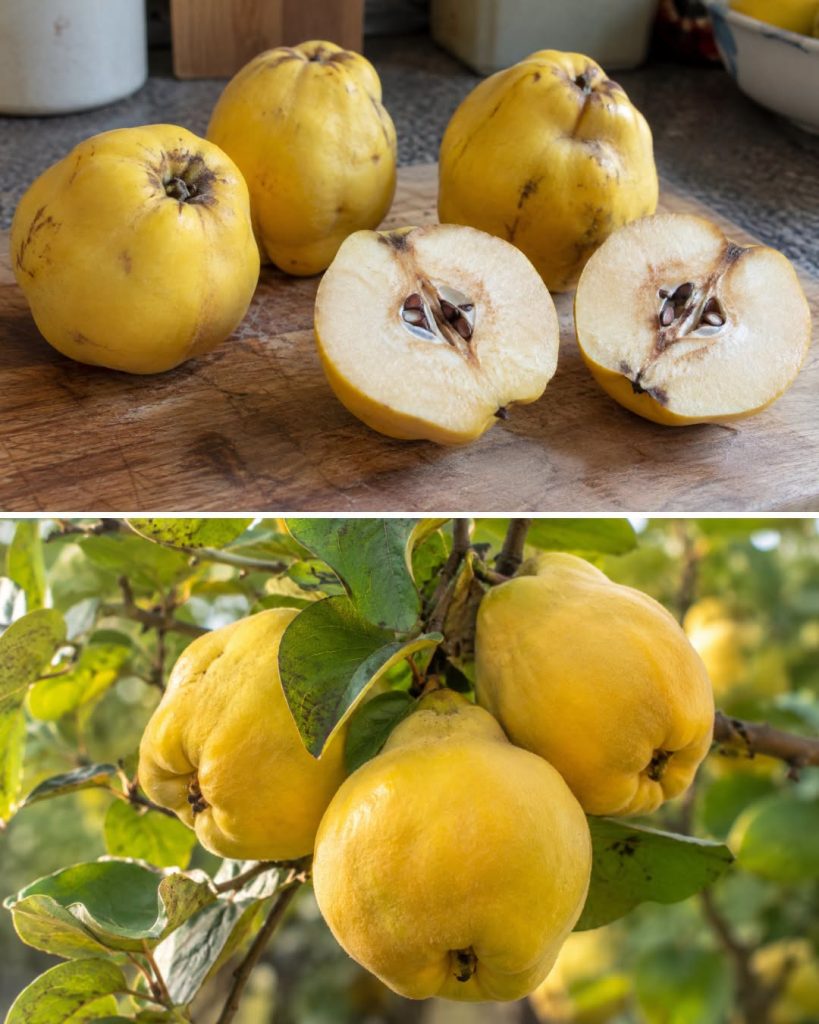
Quince is a fascinating fruit that often goes unnoticed in supermarkets and local markets. Scientifically known as Cydonia oblonga, this fruit originated in Western Asia and is now cultivated in various parts of the world for its culinary uses and nutritional qualities.
Our grandparents loved quince and enjoyed it in countless ways. From homemade jellies and preserves to baked desserts and savory dishes, this distinctive fruit has long been part of traditional cooking.
In this article, we’ll take a closer look at what quince is, explore its nutritional benefits, and discover some delicious ways to enjoy it.
What Is Quince?
Quince is a close relative of the apple and pear, but it is quite different in terms of flavor, texture, and appearance.
Its shape is often similar to that of a pear, with thick, firm skin that turns yellow or golden as the fruit ripens. The flesh is usually pale yellow or cream-colored and is extremely firm and somewhat grainy when raw.
Raw quince is known for its distinctive fragrance and sharp, slightly astringent flavor. For this reason, it is rarely eaten straight from the tree. Once cooked, however, the fruit transforms completely. Its flesh becomes softer, sweeter, and wonderfully aromatic.
This dramatic change in texture and flavor is one of the reasons quince has been treasured in traditional cooking for generations.
Nutritional Benefits of Quince
Quince is a nutrient-rich fruit that can be a valuable addition to a varied and balanced diet.
1. Rich in Dietary Fiber
Quince provides dietary fiber, which is important for healthy digestion and regular bowel movements.
Including fiber-rich foods in your diet can also help you feel full for longer and support a healthy digestive system.
2. A Source of Vitamin C
Quince contains vitamin C, an important antioxidant nutrient that contributes to normal immune function and helps protect cells from oxidative stress.
Adding a variety of fruits and vegetables to your diet is an easy way to increase your intake of vitamin C and other beneficial nutrients.
3. Contains Important Minerals
Quince provides minerals such as potassium and copper.
Potassium is involved in normal muscle and nerve function and helps maintain normal fluid balance, while copper contributes to several important processes in the body.
4. Contains Beneficial Plant Compounds
Quince contains naturally occurring plant compounds, including polyphenols and other antioxidant compounds.
These substances are being studied for their potential role in supporting overall health. However, quince should be viewed as one nutritious food within a balanced diet rather than as a treatment for any particular disease.
5. Naturally Low in Calories
Fresh quince is relatively low in calories, making it an appealing option for people looking to include more fruit in a balanced diet.
Because quince is usually cooked with sugar when prepared as a jelly, jam, or dessert, the nutritional profile of the finished dish can be quite different from that of the fresh fruit.
How to Eat Quince
