Oregano: Nature’s Small but Mighty Healer
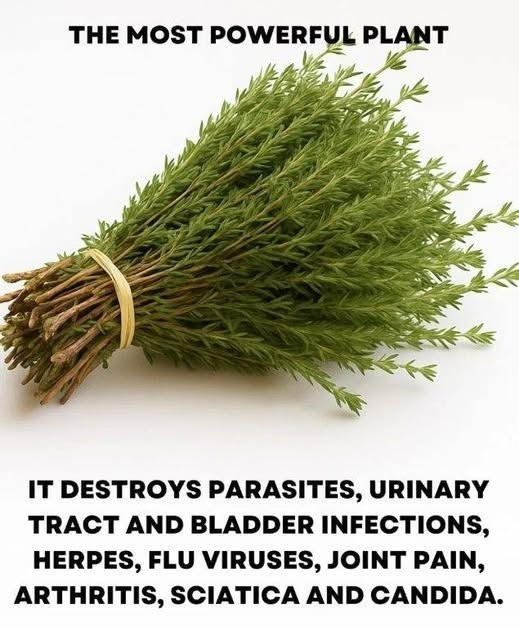
You know that little jar of dried green flakes sitting in your spice rack, the one you reach for when pizza night rolls around or when a tomato sauce needs a final flourish? It turns out that humble herb is doing a lot more than just making your dinner taste better.
Oregano is one of those quiet overachievers we’ve had in our kitchens all along, completely overlooked while we chase exotic “superfoods” from distant lands. Meanwhile, this Mediterranean native has been quietly, consistently, and powerfully supporting human health for thousands of years.
Let’s give oregano its due.
A Healing Herb with Ancient Roots
Oregano (Origanum vulgare) isn’t a trendy newcomer. The ancient Greeks and Romans revered it. The very name comes from the Greek oros (mountain) and ganos (joy)—literally “joy of the mountains.” They used it to treat everything from sore throats to digestive complaints, and they crowned newlyweds with oregano wreaths, believing it brought happiness.
They were onto something.
What traditional healers knew intuitively, science has now confirmed: oregano is a pharmacological pharmacy packaged in a tiny, fragrant leaf. Its power centers on two superstar compounds:
🌿 Carvacrol — The heavy hitter. This phenol gives oregano its characteristic warmth and serves as its primary antimicrobial and anti-inflammatory agent.
🌿 Thymol — A familiar name if you’ve ever read a mouthwash label. Thymol is a potent antifungal and antioxidant, often used in natural disinfectants.
Together, these compounds create a synergistic effect that makes oregano far more than the sum of its parts.
What Oregano Can Actually Do for You
Let’s be clear: oregano isn’t a miracle cure. It won’t replace your antibiotics or chemotherapy. But used wisely, it offers legitimate, science-backed support for several common health concerns.
1. It’s a Potent Natural Antimicrobial
The most researched and celebrated property of oregano is its ability to combat unwanted microorganisms. Carvacrol has been shown in numerous studies to disrupt the cell membranes of bacteria, effectively destroying them.
What this means for you:
-
Oregano oil has demonstrated effectiveness against common foodborne pathogens like E. coli and Salmonella
-
It shows activity against antibiotic-resistant strains, including some forms of Staphylococcus
-
It may help combat small intestinal bacterial overgrowth (SIBO) and other gut dysbiosis conditions
Important: This does not mean oregano oil should replace prescribed antibiotics. It means oregano is a powerful supportive tool, particularly for prevention and mild cases.
2. It Supports Healthy Gut Flora — Selectively
Here’s the truly remarkable part: oregano doesn’t just kill everything in sight. Studies suggest its antimicrobial effects are selective—it targets pathogenic bacteria while leaving beneficial lactobacilli largely undisturbed.
This makes it uniquely valuable for:
-
Occasional digestive discomfort
-
Supporting microbial balance after antibiotic use
-
Mild, uncomplicated traveler’s diarrhea prevention
3. It’s a Surprisingly Potent Anti-Inflammatory
Chronic inflammation is the common thread running through nearly every modern disease—heart disease, arthritis, diabetes, even depression. Oregano contains rosmarinic acid and beta-caryophyllene, compounds that have demonstrated significant anti-inflammatory effects in both laboratory and human studies.
The practical takeaway: Regular culinary use of oregano may contribute to your body’s overall ability to manage inflammation. It’s not a treatment for inflammatory conditions, but it’s a delicious form of dietary insurance.
4. It’s Loaded with Antioxidants
By weight, oregano has one of the highest antioxidant concentrations of any food. The ORAC score (a measure of antioxidant capacity) of oregano is 42 times higher than that of apples and 4 times higher than blueberries.
These antioxidants neutralize free radicals—unstable molecules that damage cells and contribute to aging and chronic disease. Every time you sprinkle oregano on your food, you’re adding a concentrated burst of protective compounds.
5. It May Help Soothe Respiratory Discomfort
Thymol, one of oregano’s primary compounds, is a recognized expectorant. It helps loosen mucus and calm coughs. This is why oregano appears in traditional remedies for bronchitis, colds, and congestion.
A simple chest rub: Infuse olive oil with dried oregano, strain, and gently massage onto the chest. Always patch test first and avoid broken skin.
The Important Distinction: Culinary vs. Medicinal
see continuation on next page
