I Found This Strange Object and Had Absolutely No Idea What It Was — The Answer Turned Out to Be Surprisingly Simple (And Deeply Comforting)
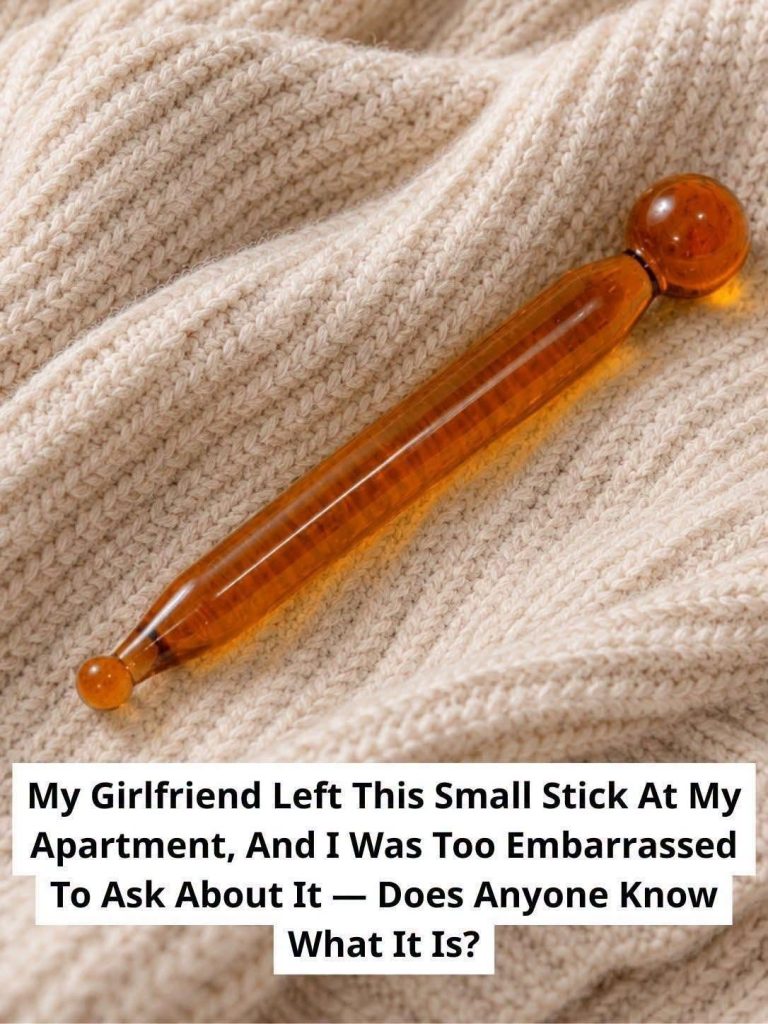
One reason some vintage tape dispensers have such a distinctive appearance is the use of Bakelite, an early synthetic plastic that became popular during the first half of the 20th century.
Bakelite was valued for its durability and ability to be molded into a wide range of shapes.
It was used for countless everyday objects, including:
Telephone components
Radio housings
Electrical parts
Jewelry
Kitchenware
Desk accessories
Handles and knobs
Its rich brown, amber, black, and reddish tones can give vintage objects a particularly warm appearance.
Not every brown vintage tape dispenser is made from Bakelite, of course. Some were made from wood or other materials. Identifying the exact material requires examining the object carefully rather than relying solely on its color.
How the Vintage Tape Dispenser Worked
Despite its unusual appearance today, the basic idea is remarkably simple.
The dispenser holds a roll of adhesive tape inside or on a central spindle. The tape can be pulled outward when needed, and a serrated cutting edge allows the user to tear off the desired length.
Its substantial base serves an important purpose: it keeps the dispenser from sliding across the desk when the tape is pulled.
It’s a wonderfully straightforward piece of design.
There are no batteries, electronics, complicated mechanisms, or unnecessary features. It performs one simple job—and does it efficiently.
Why Objects Like This Feel So Different
Part of the fascination with vintage household objects comes from their physical presence.
Pick up a modern disposable accessory and it may feel light and temporary. Pick up a well-made vintage desk tool and you can immediately notice the difference.
The weight tells you something.
So does the material.
So does the fact that someone designed the object with the expectation that it might still be useful years or even decades later.
That doesn’t necessarily mean every older product was superior to a modern one. Manufacturing technology has brought plenty of improvements over the years.
But vintage objects can remind us of a time when durability, repairability, and long-term use were often important considerations in product design.
More Than Just an Office Supply
A vintage tape dispenser may seem insignificant, but objects like these offer a small glimpse into everyday life from another era.
Imagine one sitting on a teacher’s desk, in a secretary’s office, on a shop counter, or beside a family’s home telephone and writing supplies.
It wasn’t necessarily considered special at the time.
It was simply something people used.
That’s part of what makes these objects fascinating today. They provide a tangible connection to ordinary routines that otherwise exist only in photographs and memories.
Why Finding One Can Feel So Meaningful
There’s a particular satisfaction that comes from discovering an unfamiliar object and finally understanding what it was designed to do.
At first, you see an oddly shaped piece of wood, plastic, or metal.
Then you recognize its function.
Suddenly, the shape makes sense. The weight makes sense. The strange little cutting edge makes sense.
What looked like an obscure decorative object turns out to be an ingenious everyday tool.
That moment of recognition is part of the fun of exploring old homes, attics, drawers, estate sales, and family storage boxes.
Was It Valuable?
That’s a more complicated question.
A vintage tape dispenser isn’t automatically valuable simply because it’s old.
Its monetary worth can depend on factors such as:
see continuation on next page
