How To Collect & Grow Milkweed Seeds to Save the Monarch Butterfly
Vernalized Seeds – Plants Sense the Seasons
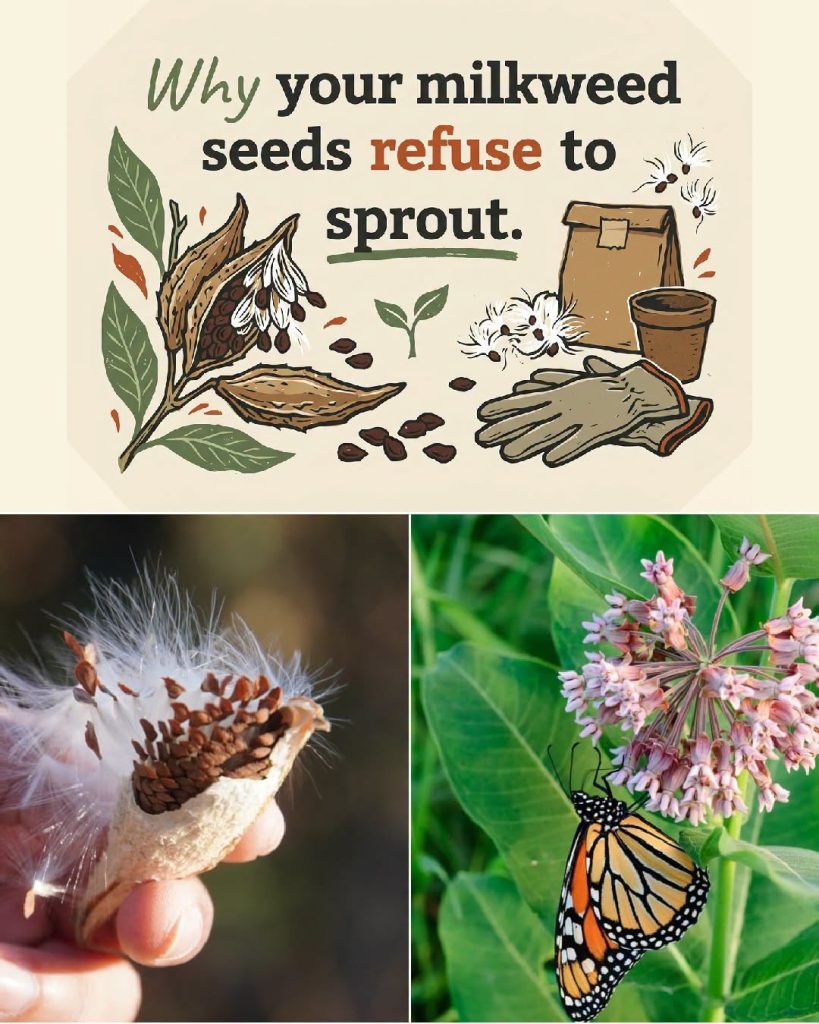
Milkweed seeds need to go through a process called vernalization. Basically, a plant needs to experience winter via environmental cues to time important reproductive development – such as flowers. If the seeds don’t experience prolonged exposure to cold temperatures, the plant won’t germinate and produce flowers.
This is why those on the east coast can plant bulbs in the fall and have flowers in the spring, but west coasters with milder winters need to put their bulbs in the fridge for six to eight weeks.
Since we’re collecting the seeds before they get to winter over outside, they’ll have to experience winter in our refrigerator. Be sure to store them in a completely airtight container so moist air doesn’t get in and cause your seeds to rot. If you purchase seeds online, note whether the seeds are vernalized or not.
Vernalization vs. Stratification
These are both scientific terms that involve how plants experience winter. This extended cold signals seasonal plant changes, triggering different developmental changes. Many people have heard of stratification before but are unfamiliar with vernalization.
So, what’s the difference?
We won’t get super technical, but it depends on whether a plant produces flowers. Stratification is needed for seeds to germinate, whereas vernalization is key in flowering plants producing flowers next season. For instance, a pine nut, the seed from pine cones to make baby pine trees, doesn’t produce flowers, so we use the term stratification. As milkweed is a flowering plant, we use the term vernalization even though the plant also needs to be cold-stratifed for the seeds to germinate.
Planting Milkweed Seeds
Milkweed is quite easy to grow and be sown directly. If you’re planting seeds in the spring, be sure they have had a “winter” in your fridge first. If you’re planting seeds in the fall after harvesting them, nature will do the work for you. For the best possible results, I suggest planting seeds in both the fall and the spring.
Surface sow the seeds about ½ an inch apart and cover them lightly with soil. Keep the seeds moist until they have germinated. Once your seeds have sprouted, water them frequently until the plants are established.
Milkweed transplants well. Consider starting your seeds indoors in the spring to give them the best chance of growing up big and tall so a tiny Monarch caterpillar can munch on them. Don’t forget to harden them off before transplanting them outside once the danger of frost has passed.
Milkweed Bombs
If you want to get militant about saving the Monarch butterfly and take this fight beyond your backyard, it’s easy to do. For over a decade now, guerrilla gardeners have been greening up their local habitats using seed bombs – small balls made up of clay, potting medium and native wildflower seeds. This brilliant method for dispersing native species of plants on the fly can easily be converted to milkweed.
You can use my seed bomb recipe and swap out wildflower seeds for milkweed seeds. However, don’t forget to choose an appropriate native species for your region. You will also need to take into account the time of year you plan to use your bombs to figure out if you need cold stratified seeds or not.
Power to the plants and the butterflies!
Eating MilkWeed
One of the benefits of growing milkweed is you get to eat it. Because of the decline of milkweed, many foragers opt not to pick it wild. But if you’re growing it in your backyard, you should definitely enjoy a few tender shoots in the spring and new seed pods late in the summer.
As always, when trying new wild foods, only eat a small amount. Moderation is key.
Of course, the Monarch butterfly isn’t the only one whose habitat is threatened. Consider planting other butterfly-friendly plants in your garden.
