Difference Between Green Onions, Scallions, Spring Onions and Chives
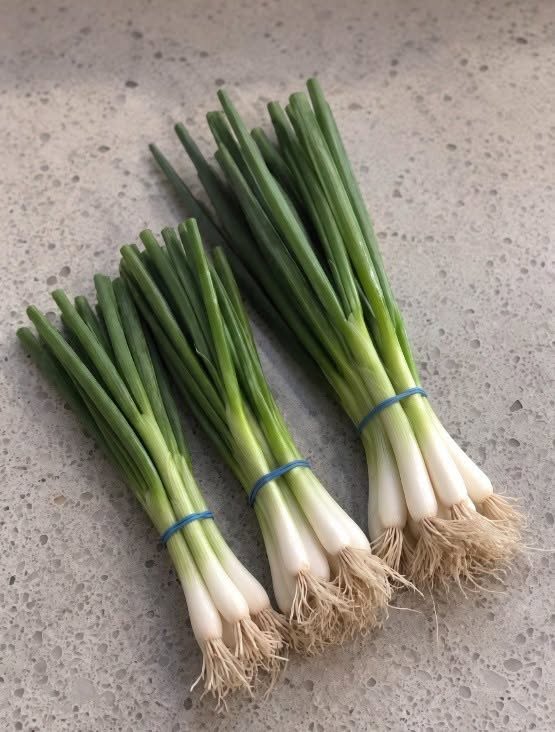
How to Use Green Onions and Scallions
Green onions are one of those ingredients I absolutely love keeping around because they can rescue a meal at the last minute.
Slice them thinly and add them to:
- Fried rice
- Ramen
- Tacos
- Quesadillas
- Scrambled eggs
- Potato salad
- Coleslaw
- Dips
- Soups
- Noodle bowls
- Grain bowls
You can also grill or char whole green onions for a smoky side dish.
And the smell when they’re sizzling in a hot pan is incredible!!
How to Use Spring Onions
Because of their more substantial bulb, spring onions can handle cooking beautifully.
Try:
-
- Roasting them
- Grilling them
- Sautéing them
- Adding them to frittatas
- Chopping them into salads
- Mixing them into sauces
- Serving them alongside grilled meats
The bulbs can become beautifully sweet and tender when cooked.
How to Use Chives
Chives really shine when added toward the end of cooking.
They’re wonderful with:
-
- Baked potatoes
- Cream cheese
- Sour cream
- Eggs
- Butter
- Creamy soups
- Fish
- Chicken
- Salads
- Dips
- Fresh cheeses
Because their flavor is delicate, you don’t need much.
A small handful can make a dish look restaurant-worthy with almost zero effort!!
Which One Should You Use?
Here’s my simple rule of thumb.
Want crunch and a mild onion flavor? Choose green onions or scallions.
Want a stronger onion flavor and a small bulb? Choose spring onions.
Want a delicate onion flavor and a pretty finishing touch? Choose chives.
And if a recipe says scallions while your store only has green onions?
Buy the green onions. In most cases, that’s exactly what the recipe means.
Common Mistakes to Avoid
Assuming All Four Are the Same
They aren’t.
Although they belong to the same general onion family, their appearance, texture, flavor, and culinary uses differ.
Replacing Chives in Equal Amounts
Chives are much more delicate than green onions.
A direct one-for-one substitution can change the flavor and texture of your dish.
Throwing Away the Green Tops
Don’t do it!
The green portions of green onions and spring onions are delicious and useful.
Using Only the White Part
Unless your recipe specifically says otherwise, use the green tops too.
They make excellent garnishes and add a fresh flavor at the end of cooking.
General Information
Green onions/scallions: Mild young onions with edible white and green portions.
Spring onions: Young onions with a more developed bulb and generally stronger onion flavor.
Chives: A delicate herb with thin, hollow green leaves and a mild onion taste.
Best everyday substitute: Green onions and scallions are usually interchangeable.
Best garnish: Chives or thinly sliced scallion greens.
Best for cooking: Green onions and spring onions.
Best for delicate flavor: Chives.
Conclusion
So there you have it—the mystery of green onions, scallions, spring onions, and chives is finally a little less mysterious!!
The key thing to remember is that green onions and scallions are often two names for the same ingredient, while spring onions generally have a more noticeable bulb. Chives are the real outsider: they’re a separate herb with much thinner stems and a softer onion flavor.
Once you know what you’re looking at, you’ll be able to pick the right ingredient with confidence.
And honestly, all four deserve a regular spot in the kitchen. They’re inexpensive, versatile, colorful, and capable of adding that little fresh something that makes an ordinary dish taste finished.
Sometimes it’s the tiniest handful of chopped green herbs that makes all the difference!!
More Helpful Ingredient Guides to Try
If you enjoyed this guide, here are a few other ingredient comparisons worth exploring:
-
- Green onions vs. leeks
- Shallots vs. onions
- White onions vs. yellow onions
- Cilantro vs. parsley
- Fresh garlic vs. garlic powder
- Red onions vs. sweet onions
- Parsley vs. chervil
- Basil vs. oregano
Did This Guide Help?
I’d love to hear from you!
Leave a review or comment and tell me which one you use most often—green onions, scallions, spring onions, or chives.
And if you make a recipe using any of them, share a photo on Pinterest so other home cooks can discover the idea too. Seeing your creations is one of my favorite parts of sharing food!!
Nutritional Information
Because these ingredients are typically used in relatively small amounts, their nutritional contribution depends heavily on the quantity eaten and the overall recipe.
As a general guide, a small serving of raw green onion or scallion provides only a modest number of calories while contributing vitamin C, vitamin K, and other micronutrients. Chives and spring onions also provide vitamins, minerals, and plant compounds.
For an exact nutritional value, calculate the nutrition based on the specific ingredient, quantity, and recipe being prepared.
