11 Foods You Should Never Put in a Slow Cooker!!! (And What to Use Instead)
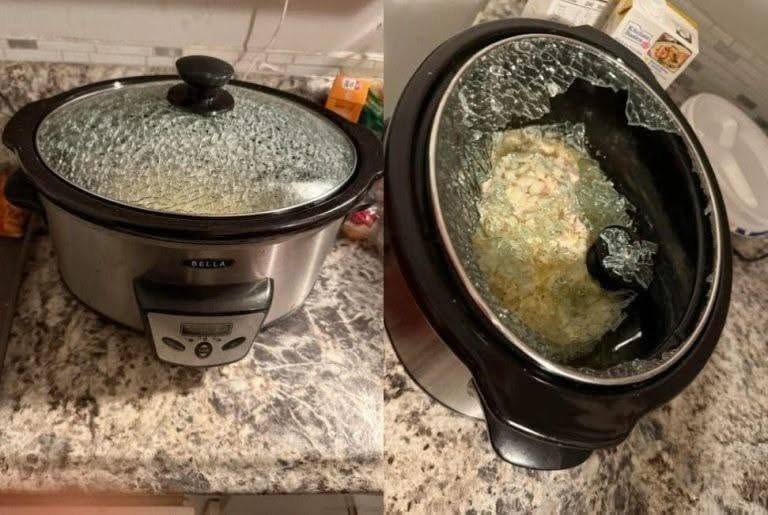
Let me tell you about the slow cooker disaster that still haunts me.
I was so proud of myself. I’d found a “healthy” recipe for chicken and quinoa. I threw everything in the Crock-Pot before work, set it to low, and left for eight hours feeling like a domestic goddess.
Food
I came home to… sludge. Gray, mushy, sad sludge. The chicken had turned into shredded rubber bands. The quinoa had dissolved into a paste. The vegetables were nowhere to be found—they’d simply ceased to exist.
I stood there, hungry and defeated, wondering where I’d gone wrong.
That’s when I learned: slow cookers are kitchen heroes for hearty stews, tender meats, and set-it-and-forget-it meals. But not everything belongs in that ceramic pot. Some ingredients break down, curdle, turn mushy, or even create food safety risks when cooked low and slow.
After years of trial and error (and that tragic quinoa incident), I’ve compiled a list of foods you should never put in a slow cooker—plus smart swaps so your slow cooker stays a safe, flavorful zone.
Let me save you from my mistakes.
Slow Cookers
1. Raw Chicken Breast (Without Enough Liquid or Care)
The Problem: Chicken breast is lean. In a slow cooker, it sits in moist heat for hours. Without enough liquid or careful timing, it dries out, becoming stringy, chalky, and tough. It’s also a food safety risk if the cooker doesn’t reach a safe temperature quickly enough to kill bacteria.
The Fix:
- Use Chicken Thighs: They have more fat and connective tissue, keeping them moist and tender during long cooks.
- Add Liquid: Ensure breasts are submerged in broth, sauce, or salsa.
- Shorten Cook Time: If you must use breasts, cook on Low for no more than 4–5 hours, or add them in the last 2 hours of cooking a stew.
2. Dairy Products (Milk, Cream, Sour Cream)
The Problem: Adding dairy at the beginning of the cooking process leads to curdling. The prolonged heat causes the proteins to separate from the liquids, resulting in a grainy, unappetizing texture.
The Fix:
- Add at the End: Stir in cream, milk, sour cream, or yogurt during the last 30 minutes of cooking.
- Use Full-Fat: Higher fat content resists curdling better than skim or low-fat versions.
- Temper It: Mix a ladle of hot soup into the dairy before adding it back to the pot to ease the temperature shock.
3. Delicate Vegetables (Zucchini, Asparagus, Peas)
The Problem: Soft vegetables cook quickly. In a slow cooker, they will turn into mush within an hour. If added at the start of an 8-hour cook, they will completely disintegrate.
The Fix:
- Add Late: Add zucchini, peas, spinach, or asparagus in the last 30–60 minutes of cooking.
- Swap for Hardier Veggies: Use carrots, potatoes, onions, and celery for the bulk of the cooking time.
4. Rice and Pasta
The Problem: Like the quinoa in my disaster story, rice and pasta absorb liquid continuously. Over several hours, they become bloated, gummy, and eventually dissolve into a starchy paste. They also soak up all the broth, leaving your meat dry.
The Fix:
- Cook Separately: Boil rice or pasta on the stove while the slow cooker finishes the main dish.
- Add at the End: If you must cook them in the pot, add uncooked pasta in the last 30–45 minutes. For rice, use parboiled or instant varieties and add them in the last hour.
5. Fresh Herbs (Basil, Cilantro, Parsley)
